

News
-
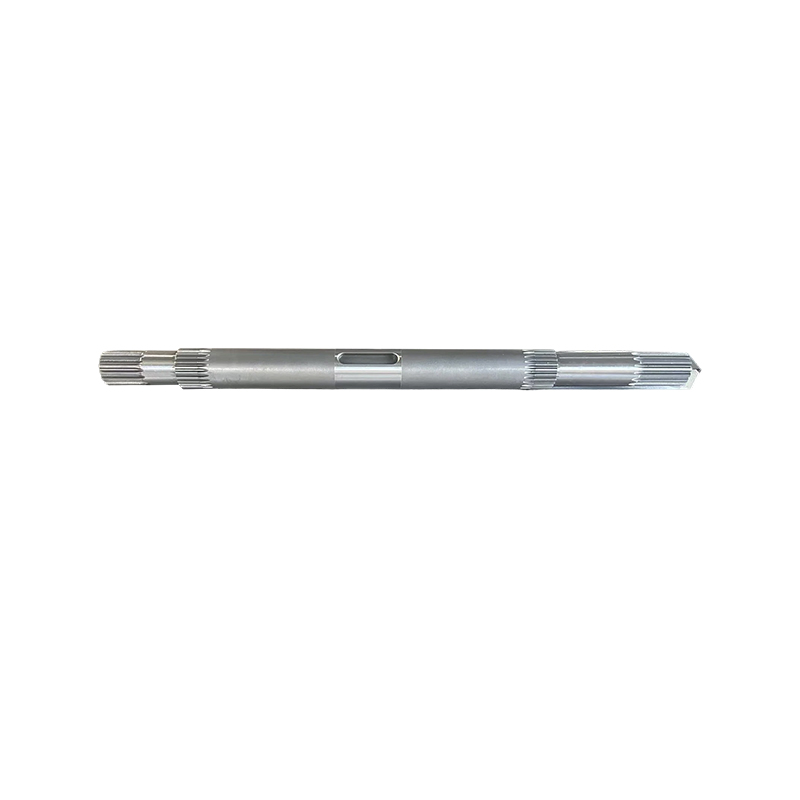
How Do Advanced Case-Hardening Techniques on Header Box Driving Shafts Prevent Premature Wear?
This engineering achievement ensures that farmers can rely on their equipment to perform consistently during the critical harvest window, minimizing downtime and maximizing productivity in the field.
Learn More2026-02-27 -
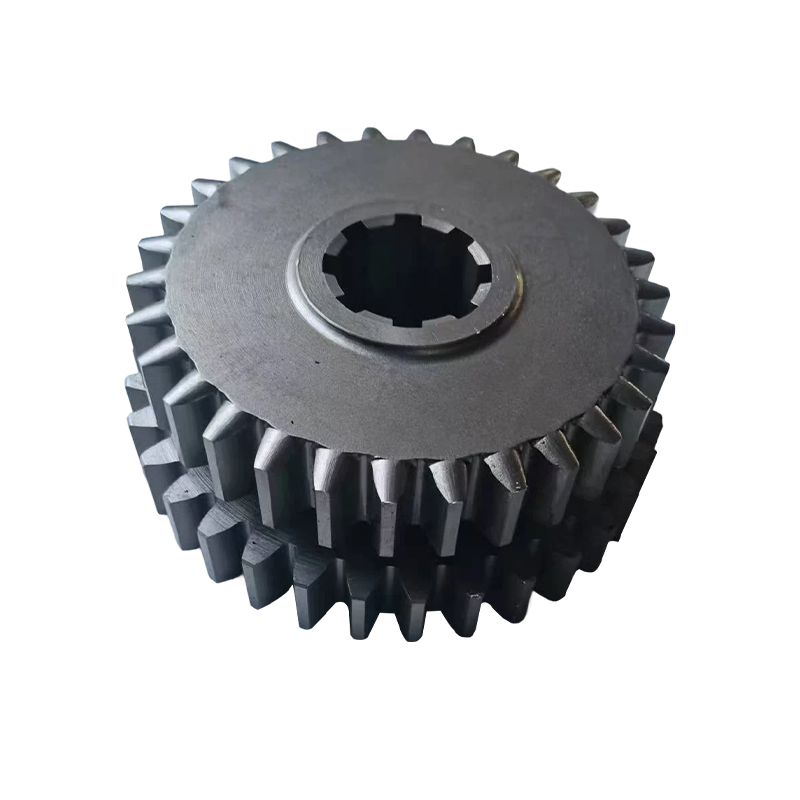
How to Ensure Phase Accuracy and Symmetry of Two Sets of Tooth Profiles in Double Gear
In high-precision transmission systems, double gears are widely used in automotive transmissions, construction machinery, and aerospace due to their compact layout and efficient power transmission capabilities.
Learn More2026-02-12 -
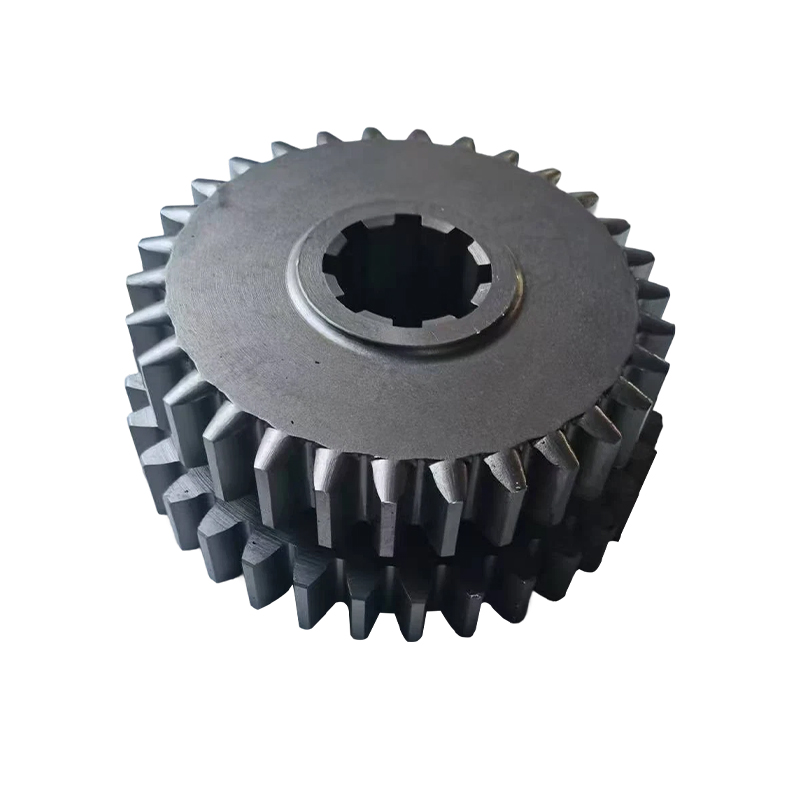
How can a double gear structure achieve synchronous motion control with low backfault error in precision instruments?
Temperature fluctuations, vibrations, and dust can all interfere with gear meshing, leading to increased return error.
Learn More2026-01-28 -
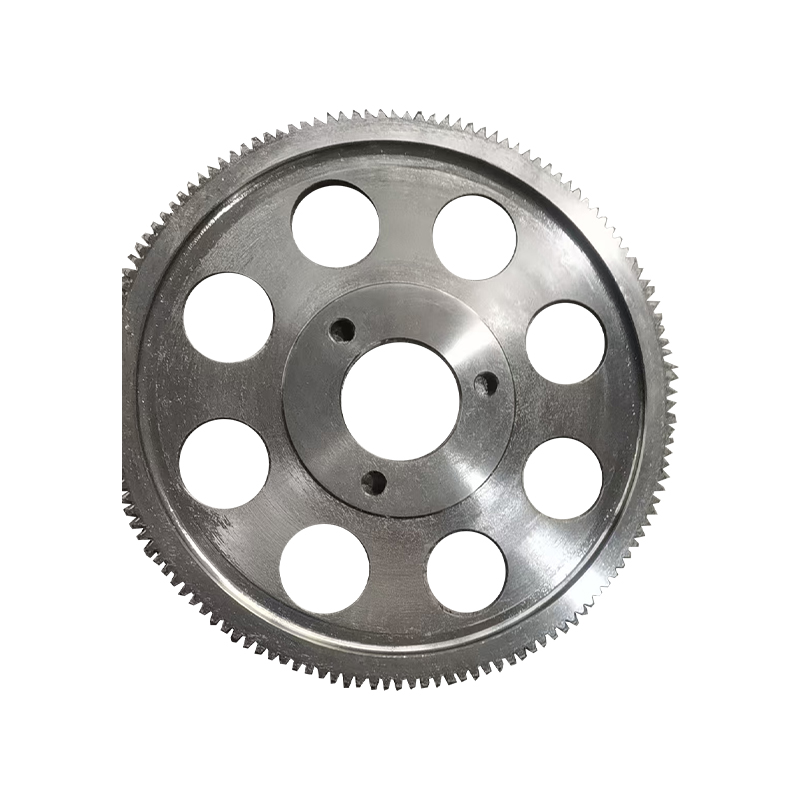
What heat treatment process should be used to improve the bending fatigue resistance of cylindrical gear teeth?
Before heat treatment, gears need to be precision machined to reduce surface defects and work-hardened layers, providing a good microstructure for heat treatment.
Learn More2026-01-15 -
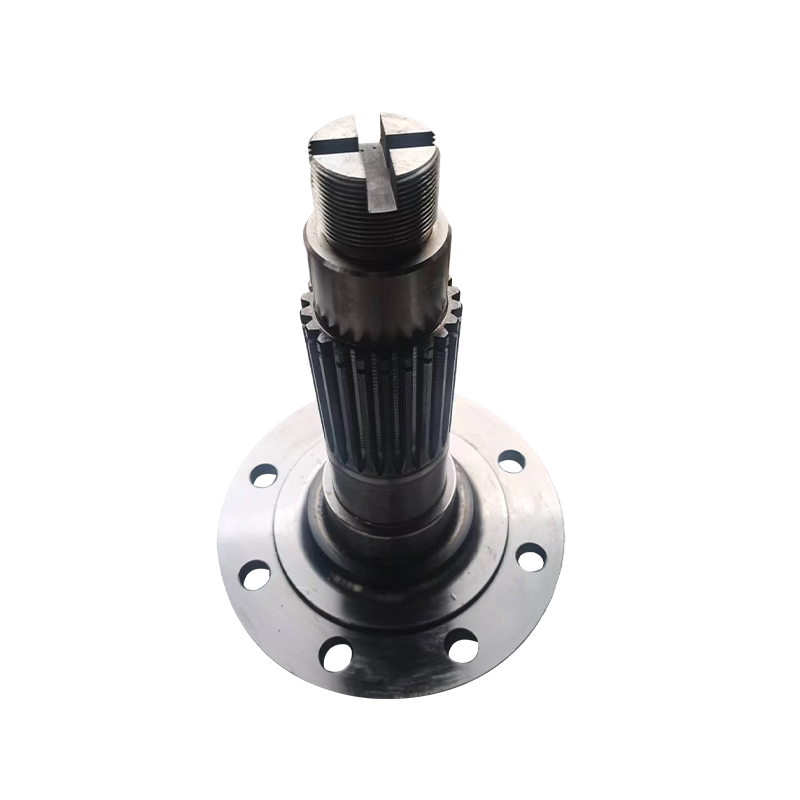
How can multi-stage precision machining ensure the smooth operation of a drive shaft under high loads?
In high-power transmission systems of heavy machinery, mining equipment, and large-scale construction machinery, the final drive shaft plays a crucial role in accurately and efficiently transmitting power to the actuators.
Learn More2025-12-31 -
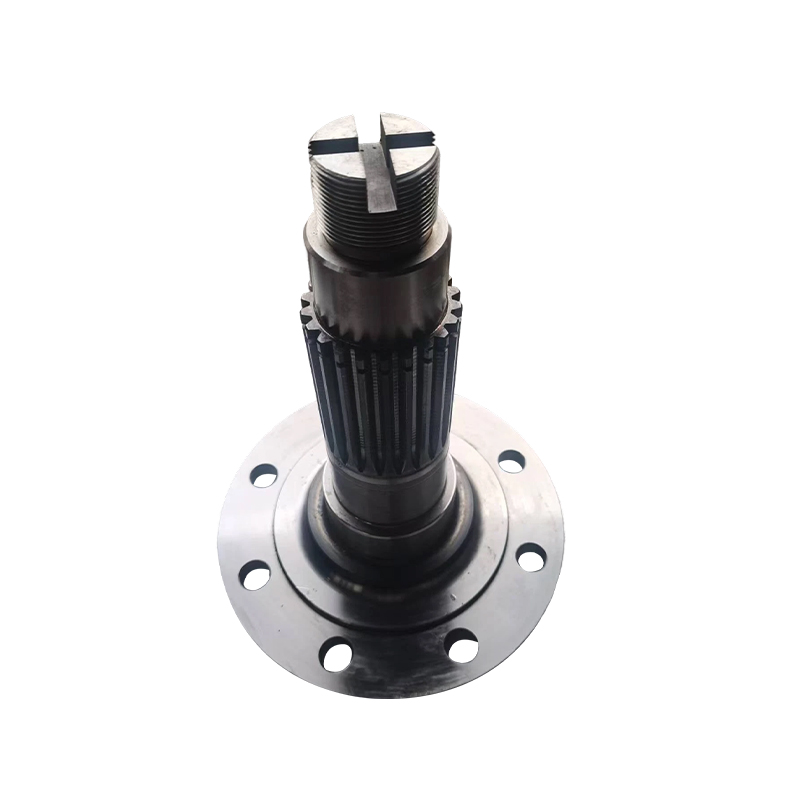
How to ensure full-length coaxiality of the final drive shaft through process datum conversion?
In heavy machinery, the final drive shaft, as the "last link" in power transmission, directly affects the stability, lifespan, and safety of the entire machine.
Learn More2025-12-18